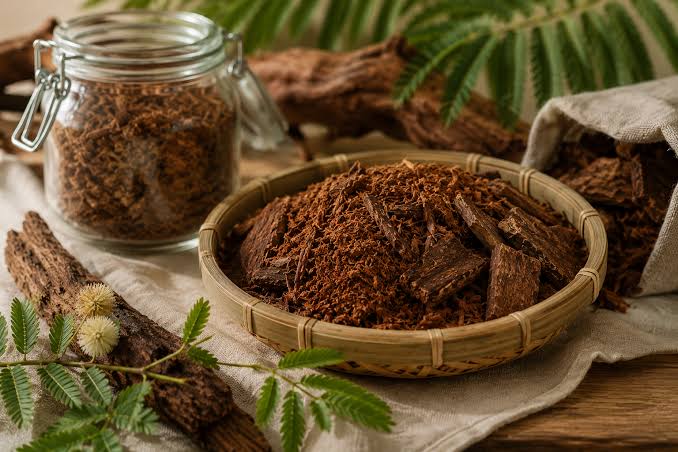
Mimosa hostilis Inner Root Bark (MHRB)
Mimosa Hostilis vs Mimosa Tenuiflora: Understanding the Difference
Jul
When researching botanical plants, many people come across the names Mimosa Hostilis and Mimosa Tenuiflora. At first, these names may appear to describe two different plants. However, they are closely connected and are often used to describe the same botanical species.
Understanding the difference between Mimosa Hostilis vs Mimosa Tenuiflora can help clear up confusion surrounding these names. Furthermore, learning about their botanical history, characteristics, and origins provides a better understanding of this fascinating plant.
In this guide, we will explore the relationship between Mimosa Hostilis and Mimosa Tenuiflora, including their naming history, physical characteristics, and natural habitat.
What Is Mimosa Hostilis?
Mimosa Hostilis is a name that has been widely used to describe a tropical plant species belonging to the Fabaceae family. This plant is native to regions of Central and South America, where it has been recognized for generations.
The name Mimosa Hostilis became popular through historical botanical references and traditional discussions. Over time, the name became commonly associated with this particular Mimosa species.
The plant is known for its delicate leaves, small flowers, and woody structure. In addition, it is valued by botanical enthusiasts because of its unique appearance and adaptability in different environments.
Although the name Mimosa Hostilis is still commonly searched online, modern botanical references often use a different classification name.
What Is Mimosa Tenuiflora?
Mimosa Tenuiflora is the scientific name commonly used in modern botanical classification. It refers to the same plant species that many people know as Mimosa Hostilis.
The name Tenuiflora comes from botanical naming systems used by researchers and scientists. Therefore, when comparing Mimosa Hostilis vs Mimosa Tenuiflora, the main difference is usually the terminology rather than the plant itself.
Mimosa Tenuiflora grows naturally in warm climates and can be found in parts of Mexico, Brazil, and other regions of Central and South America.
Furthermore, the plant has been studied because of its botanical characteristics, growth patterns, and relationship with other Mimosa species.
Mimosa Hostilis vs Mimosa Tenuiflora: Are They Different Plants?
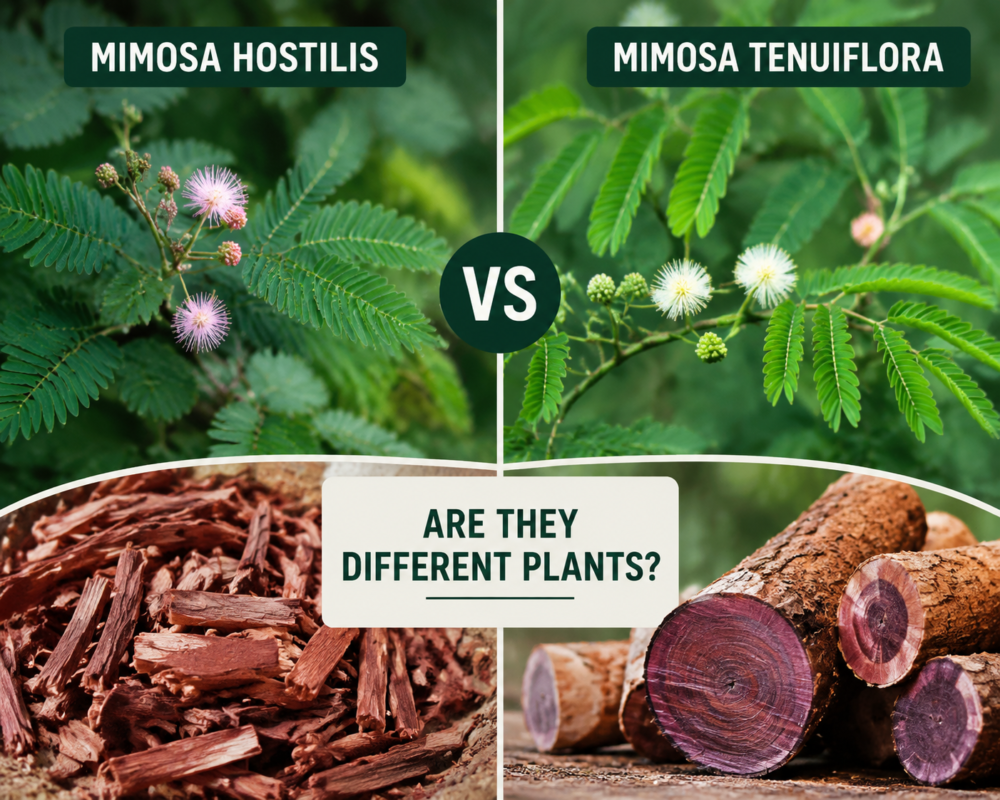
One of the most common questions is whether Mimosa Hostilis and Mimosa Tenuiflora are different plants.
The simple answer is that these names are generally used to describe the same botanical species.
The difference comes from naming history:
| Feature | Mimosa Hostilis | Mimosa Tenuiflora |
|---|---|---|
| Type of name | Historical/common name | Scientific botanical name |
| Plant family | Fabaceae | Fabaceae |
| Region | Central and South America | Central and South America |
| Plant type | Tropical shrub or small tree | Tropical shrub or small tree |
In other words, Mimosa Hostilis is the familiar name many people recognize, while Mimosa Tenuiflora is the accepted scientific classification.
Physical Characteristics of Mimosa Hostilis Plant
Understanding the appearance of the plant can help with botanical identification.
Leaves
The Mimosa Hostilis plant has delicate, fern-like leaves. These leaves contain many small leaflets arranged along thin stems.
Additionally, the leaves have a soft and elegant appearance that is common among many Mimosa species.
Flowers
Mimosa Tenuiflora produces small flowers that usually appear in rounded clusters. These flowers often have a light color and create a distinctive look during the flowering season.
As a result, the flowers are one of the features that make this plant visually unique.
Growth Pattern
The plant can grow as a shrub or small tree depending on environmental conditions. Furthermore, it can adapt to different climates when the growing conditions are suitable.
Where Does Mimosa Tenuiflora Grow?
Mimosa Tenuiflora naturally grows in tropical and subtropical regions. It is commonly associated with areas of Central and South America.
The plant thrives in warm environments with suitable sunlight and soil conditions. Because of this, it has adapted well to regions with seasonal changes and dry periods.
Understanding the natural habitat of Mimosa helps researchers and plant enthusiasts learn more about its growth patterns.
Why Are Both Names Used Online?
Many people wonder why they see both Mimosa Hostilis and Mimosa Tenuiflora when searching online.
The reason is related to botanical naming history. Over the years, plant classifications can change as scientific research develops.
For example, older references may use Mimosa Hostilis, while newer botanical sources may use Mimosa Tenuiflora.
Therefore, both terms continue to appear across websites, articles, and botanical resources.
How to Identify Mimosa Hostilis Plant
Learning how to identify Mimosa Hostilis plant requires looking at several characteristics rather than only one feature.
Important identifying features include:
- Fern-like leaves with many small leaflets
- Thin branches
- Small clustered flowers
- Shrub or small tree growth pattern
- Natural tropical habitat
However, plant identification can sometimes be challenging because many Mimosa species share similar features. For this reason, it is important to use reliable botanical references when studying plant species.
Frequently Asked Questions
Is Mimosa Hostilis the same as Mimosa Tenuiflora?
Yes, these names are commonly used to describe the same botanical species. The difference mainly comes from historical naming versus modern scientific classification.
Where does Mimosa Tenuiflora grow?
Mimosa Tenuiflora is native to tropical regions of Central and South America.
Why is Mimosa Hostilis still a popular name?
Mimosa Hostilis remains popular because it has been used historically in botanical references and online discussions for many years.
How can I learn more about Mimosa plants?
You can explore botanical guides, plant identification resources, and educational articles to learn more about Mimosa species.
Conclusion
Understanding Mimosa Hostilis vs Mimosa Tenuiflora helps explain why two different names are often used for the same plant species.
While Mimosa Hostilis remains a widely recognized name, Mimosa Tenuiflora is commonly used in modern botanical classification. Ultimately, both names refer to a fascinating plant with unique characteristics and a rich botanical history.
By learning about its appearance, origins, and naming background, you can develop a better understanding of this remarkable Mimosa species.
