
Uncategorized
How to Store Mimosa Hostilis Root Bark Properly
Aug
How to Store Mimosa Hostilis Root Bark Properly
Proper storage is essential for maintaining the condition, texture, and overall quality of dried botanical materials. Whether you have Mimosa Hostilis root bark in shredded or powdered form, the way it is stored can affect its exposure to moisture, heat, direct sunlight, dust, and other environmental factors.
View ProductsIf you are wondering how to store Mimosa Hostilis root bark, the process is relatively straightforward. The product should generally be kept in a clean, dry, and airtight container before being placed in a cool, dark, and low-humidity environment. In addition, careful handling can help reduce the risk of moisture or contaminants entering the storage container.
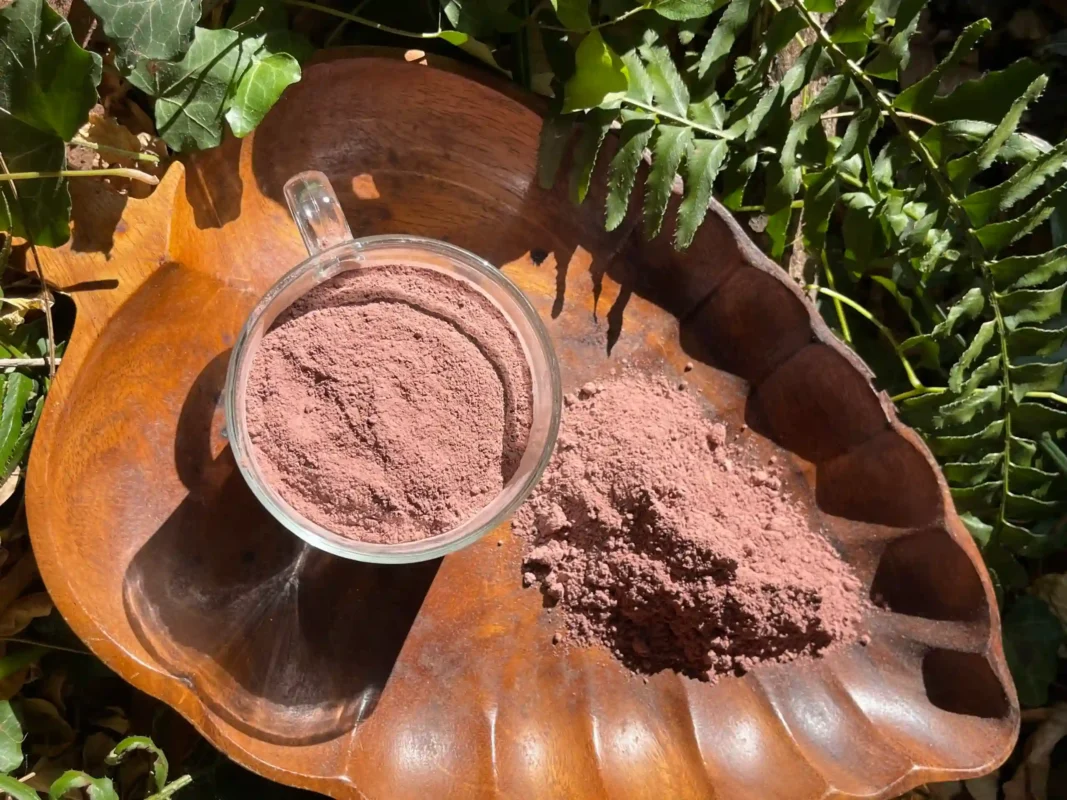
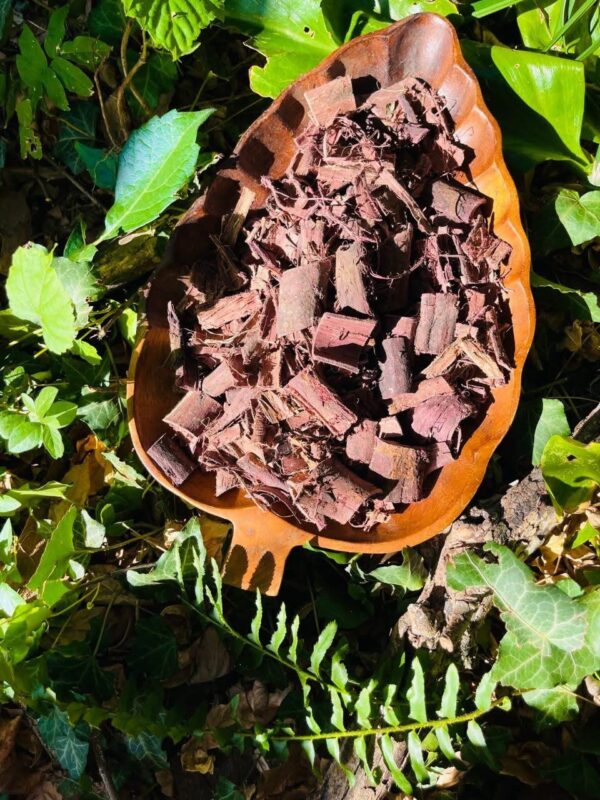
Both Mimosa Hostilis root bark shredded and Mimosa Hostilis root bark powder require proper storage. However, the fine texture of powdered material may require additional care when handling and transferring it between containers. Shredded root bark, on the other hand, should be protected from crushing, moisture, and prolonged exposure to open air.
In this guide, you will learn how to store Mimosa Hostilis root bark properly, including how to choose a suitable container, control moisture, avoid excessive heat and sunlight, and check the condition of stored botanical material. You will also discover whether refrigeration or freezing is necessary and learn about common storage mistakes that should be avoided.
Store Mimosa Hostilis Root Bark in an Airtight Container
An airtight container is one of the most important parts of proper root bark storage. Once Mimosa Hostilis root bark is exposed to open air for long periods, it can become more vulnerable to moisture, dust, and other environmental contaminants.
Several types of containers can be suitable, including:
- Glass jars with secure, airtight lids
- Properly sealed food-grade storage containers
- High-quality resealable packaging designed to reduce air exposure
Before placing the root bark inside a container, make sure the container is clean and completely dry. Even small amounts of unwanted moisture can create unsuitable storage conditions for dried botanical materials.
Choose a container that provides enough space for the product without leaving it unnecessarily exposed. Shredded root bark should not be tightly compressed, while powdered material should be transferred carefully to prevent spills and airborne dust.
If the original packaging is high quality and can be resealed securely, transferring the material may not be necessary. However, damaged or poorly sealed packaging should be replaced with a suitable airtight storage option.
Keep the Root Bark in a Cool and Dry Place
After selecting an appropriate container, choose a suitable storage location. Mimosa Hostilis root bark should generally be kept in a cool, dry, and stable environment.
Excessive heat can create unsuitable conditions for dried botanical materials. Likewise, humid rooms and damp storage spaces can increase exposure to moisture. For this reason, storage areas should be chosen carefully.
Avoid locations such as:
- Areas exposed to excessive heat
- Highly humid rooms
- Damp cupboards or storage spaces
- Locations with frequent and dramatic temperature changes
A dry cupboard, pantry, or similar indoor storage area may provide a more suitable environment when it remains protected from heat and humidity.
There is no need to rely on an exact temperature for ordinary storage. Instead, focus on maintaining a stable environment that remains reasonably cool and dry.
Protect Mimosa Hostilis Root Bark From Direct Sunlight
Direct sunlight is another environmental factor that should be considered when storing dried root bark. Long periods of sunlight exposure can increase the temperature around the product and create unnecessary environmental stress.
For this reason, Mimosa Hostilis root bark should generally be stored away from windows, sunny shelves, and other areas exposed to prolonged direct sunlight.
Suitable storage options may include:
- A closed cupboard
- A dry pantry
- A dark storage cabinet
- An opaque storage container
If a transparent glass jar is used, placing it inside a dark cupboard can provide additional protection from light exposure. The goal is not necessarily to keep the container in complete darkness at all times, but rather to avoid prolonged direct sunlight and excessive heat.
Keep Moisture Away From the Root Bark
Moisture is one of the most important factors to control when storing dried botanical products. Excess moisture can affect the texture and condition of the root bark and may create an environment where spoilage or mold becomes more likely.
For this reason, the storage container should always remain clean and dry. Avoid placing Mimosa Hostilis root bark into a container that has recently been washed unless the container has been completely dried.
Wet hands and wet utensils should also be avoided when handling the product. If root bark is being removed from the container, clean and completely dry hands or utensils are generally the best choice.
Damp storage locations should also be avoided. Bathrooms, areas close to steam, and other high-humidity environments are generally unsuitable for dried root bark.
It is also helpful to check the stored material occasionally. Look for unusual moisture, changes in texture, damaged packaging, or other signs that the storage environment may no longer be suitable.
Should You Store Mimosa Hostilis Root Bark in the Refrigerator?
Refrigeration may appear to be a useful option because it provides a cooler environment and can reduce exposure to excessive room temperatures. However, refrigeration is not always necessary for properly dried root bark.
Possible Benefits of Refrigeration
A refrigerator provides a consistently cooler environment and may reduce exposure to heat, especially in very warm climates. If room temperatures are regularly high, refrigeration may be considered with careful packaging.
Possible Drawbacks
The main concern with refrigeration is condensation. When a cold container is removed from the refrigerator and opened immediately, moisture from the surrounding air may form inside or around the container.
Frequent temperature changes and repeated opening can also increase the chance of unwanted moisture exposure.
Therefore, if refrigeration is considered, the root bark should be kept in carefully sealed, moisture-resistant packaging. It is also advisable to allow a sealed container to return toward room temperature before opening it. This can help reduce condensation.
Can You Freeze Mimosa Hostilis Root Bark?
Freezing dried botanical materials can create similar concerns. The freezing process itself may not be the only issue; condensation that develops when the product is removed from the freezer can introduce unwanted moisture.
If freezing is considered for long-term storage, airtight and moisture-resistant packaging is essential. The product should remain sealed while the container gradually returns to room temperature.
Opening a frozen container immediately after removal can allow humid air to enter and create condensation. Therefore, moisture prevention and careful handling are especially important.
For ordinary storage, freezing may not be necessary when the root bark is already stored in a clean, dry, airtight container in a cool and dark environment.
How to Store Shredded Mimosa Hostilis Root Bark
Shredded Mimosa Hostilis root bark has a larger and coarser texture than powdered material. Therefore, it should be stored in a container that protects the pieces without unnecessarily crushing them.
The material should be protected from:
- Excess moisture
- Open-air exposure
- Dust and contamination
- Excessive compression or crushing
A clean, dry, appropriately sized airtight container is generally a suitable option. If the original package is resealable and remains in good condition, it may also provide suitable protection.
When removing shredded root bark, avoid exposing the entire container to unnecessary environmental conditions for extended periods. Close the container securely after use.
How to Store Mimosa Hostilis Root Bark Powder
Mimosa Hostilis root bark powder requires similar storage conditions, although additional care may be needed because of its fine texture.
The powder should be kept in a tightly sealed container to reduce exposure to air and moisture. It should also be handled carefully to prevent unnecessary spills.
Use clean and completely dry utensils when removing powdered material. Avoid introducing moisture into the container, and close the lid securely after each use.
Because fine powder can be affected more easily by spills or loose packaging, it is important to check seals regularly. If the original packaging becomes damaged, transfer the material carefully to a clean, dry, airtight container.
Common Storage Mistakes to Avoid
Leaving the Package Open
Leaving root bark exposed to open air for long periods can increase contact with environmental moisture, dust, and other contaminants. Always close the container or reseal the package after handling the product.
Storing It in a Damp Area
Bathrooms, humid basements, areas close to steam, and other damp locations are generally unsuitable for dried botanical materials. Choose a storage area that remains dry and stable.
Exposing It to Direct Sunlight
Long periods of direct sunlight can increase heat exposure. A cupboard, pantry, or dark storage cabinet is generally a better option than a sunny shelf or windowsill.
Using Wet or Dirty Utensils
Wet or dirty utensils can introduce moisture and contaminants into the storage container. Use clean and completely dry utensils whenever necessary.
Storing It Near Strong-Smelling Products
Dried botanical materials should be kept away from strong odors and heavily scented products. Separating storage items can help maintain a clean and neutral storage environment.
How to Check the Condition of Stored Root Bark
Checking stored root bark periodically can help identify potential storage problems before they become more serious.
Look for:
- Unusual changes in appearance
- Unexpected moisture
- Visible mold
- Unusual or unpleasant odors
- Damaged or poorly sealed packaging
If visible mold, significant moisture, contamination, or other signs of spoilage are present, the product should not be used. The container and surrounding storage area should also be checked to identify the source of the problem.
How Long Can Mimosa Hostilis Root Bark Be Stored?
The length of time that dried root bark remains in suitable condition depends on several factors. These include the initial condition of the material, packaging quality, temperature, humidity, and exposure to air or sunlight.
For this reason, a guaranteed shelf life should not be assumed for every product. Proper storage can, however, help maintain the physical condition of dried botanical materials for longer.
The best approach is to begin with quality packaging and continue using careful storage practices. Keeping the material clean, dry, sealed, and protected from unnecessary environmental exposure remains essential.
Best Storage Conditions at a Glance
For quick reference, follow these general storage guidelines:
- Container: Clean, dry, and airtight
- Location: Cool, dry, and dark
- Moisture: Keep the product and container away from excess moisture
- Sunlight: Avoid prolonged direct exposure
- Handling: Use clean, dry hands or utensils
- Safety: Keep stored botanical materials away from children and pets
Following these simple practices can help create a suitable environment for storing Mimosa Hostilis root bark.
Frequently Asked Questions
What Is the Best Way to Store Mimosa Hostilis Root Bark?
The best general approach is to keep Mimosa Hostilis root bark in a clean, completely dry, airtight container. Store the container in a cool, dry, and dark location away from excess moisture, direct sunlight, and unnecessary heat.
Should Mimosa Hostilis Root Bark Be Refrigerated?
Refrigeration is not always necessary. While it may provide a cooler environment, condensation and moisture can become concerns when containers are opened or exposed to changing temperatures.
Can Moisture Damage Dried Root Bark?
Yes. Excess moisture can affect the condition of dried root bark and create an environment where spoilage or mold may become more likely. Therefore, dry storage conditions are important.
Should I Store Shredded and Powdered Root Bark Differently?
Both forms should be stored in clean, dry, airtight containers. However, powdered material may require additional care because its fine texture makes it more vulnerable to spills and contamination during handling.
What Should I Do if I Notice Mold?
Do not use the product if visible mold or contamination is present. The product should be safely discarded, and the storage area should be checked for excessive moisture or other unsuitable conditions.
Conclusion
Proper storage is one of the simplest ways to protect the overall condition of Mimosa Hostilis root bark. By using clean, airtight packaging and keeping the product in a cool, dry, and dark environment, unnecessary exposure to moisture, sunlight, heat, and contaminants can be reduced.
Whether you store Mimosa Hostilis root bark shredded or Mimosa Hostilis root bark powder, careful handling remains important. Keep containers properly sealed, use clean and dry utensils, and regularly check the condition of the stored material.
By following these simple Mimosa Hostilis root bark storage practices, dried botanical materials can be kept in a more suitable environment and protected from common storage-related problems.
